
At Hepatitis Queensland, the vision is clear: better liver health for ALL Queenslanders. For the team running their Hepatitis C Point-of-Care Testing program, this means meeting people where they are—literally and figuratively—to make testing, treatment, and cure as accessible as possible.
A Well-Oiled Machine Built on Strong Values
Community Outreach Nurse Jeanette Tibbs, who joined Hepatitis Queensland in March 2019, has been with the Hep C Point of Care Testing program since its inception. A nursing "veteran" who started at age 17, she brings decades of experience from GP surgeries, ten years as a midwife, and time in operating theatres. Project Officers Alex Morales and Mikayla Leslie, who joined in January and April 2024 respectively, complete the team—Alex bringing experience from the Alcohol and Drug Foundation as a Community Development Officer, and Mikayla transitioning from being a "hospitality queen with over 10 years' experience."
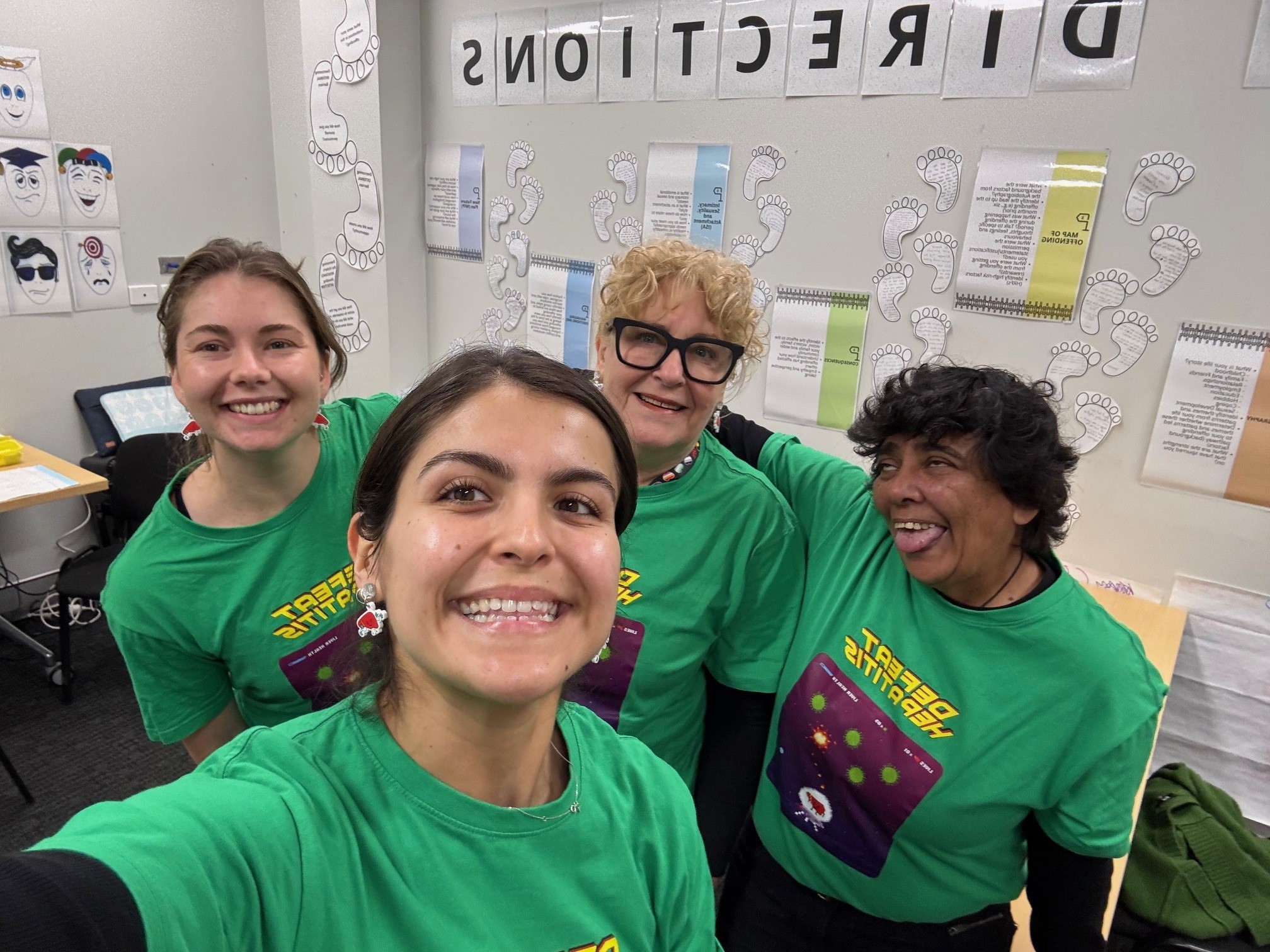 Mikayla, Alex, Jeanette and Nicky Newley-Guivarra (Cultural Lead for Aboriginal and Torres Strait Islander People at Hepatitis Queensland)
When asked about their heroes, the team's responses reveal the values that drive their work. For Jeanette, it's her parents: "They worked hard all their lives and are nice people. That instilled a good work ethic for me. I always remember my Dad saying, 'if you can't say anything nice, don't say anything at all.'" Mikayla echoes this sentiment: "My hero is my parents; they taught me how to work hard, and I wouldn't be the woman that I am without them."
Alex's heroes are her sisters: "They are both incredibly hardworking and are always there to support me. We are all very close!" These values of hard work, kindness, and mutual support clearly translate into how the team operates together.
"We literally could not do this without each other," says Jeanette, praising the dedication of her colleagues. "I love working with our younger team members. They say working with younger people is good for you, and I can firmly vouch for that. They are soooo physically fit, OMG they run marathons!"
The team's bond extends beyond just work. When asked what makes them laugh, both Jeanette and Alex point to Nicky, their Cultural Lead and Lived Experience Peer Worker, who "makes us laugh!" And according to Alex, one surprising item critical to their work? "A nice sandwich or banh mi for lunch! The team needs to be fuelled to get the job done."
Meeting People Where They're At
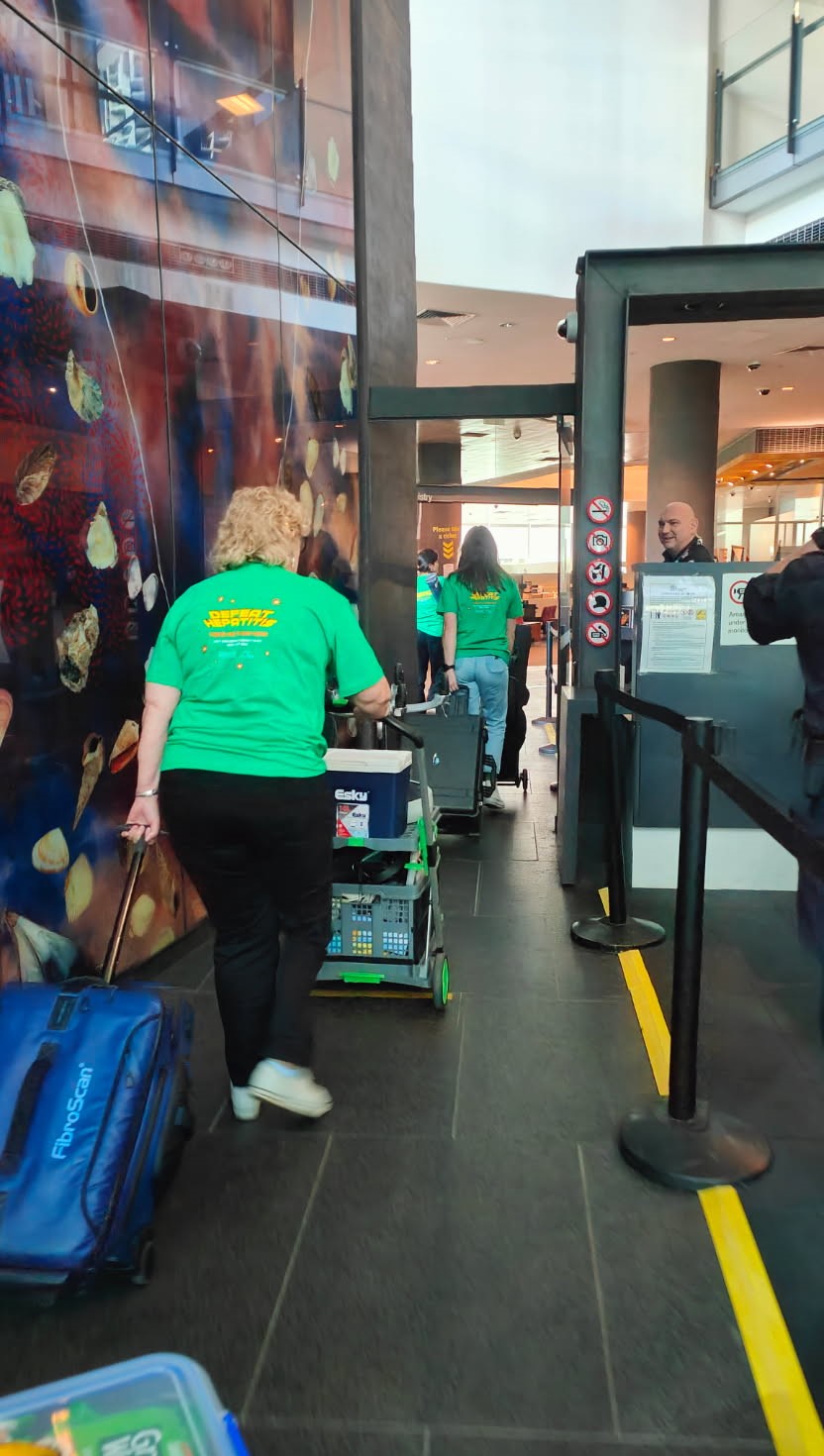
The Hepatitis Queensland team taking the Hep C Point-of-Care Testing out of the clinic
What sets the Hepatitis Queensland team apart is their commitment to removing every possible barrier to care. "We have learnt a lot as we go along," Jeanette explains. "We make changes to accommodate and appeal to clients."
Those changes are practical and client-centred: The clinics are drop-in only—no bookings required. They collect multiple contact numbers from clients. They've increased incentives and provide personal packs. Jeanette even helps clients arrange scripts from pharmacies and pays for medications when needed. "We do whatever we can to help them finish their pills," she explains.
For many clients, the finger-prick test itself is transformative. "Many clients say, 'this fingerstick has made it so easy to be tested for hep C,'" Jeanette notes. "Some have difficult veins, so it means they have been able to be tested, treated, and cured of hep C."
Mikayla adds: "In a world where we all have so much on our plates, being able to give someone the opportunity to tackle one thing off their list and help them to become a healthier version of themselves is amazing! People love that it is quick, free and just a finger prick!"
Alex emphasises the broader impact: "Point-of-Care Testing changes the game for our clients. There are so many aspects of mainstream healthcare that don't suit their needs, so to be able to offer them these services is a game changer."
The FibroScan Moment: Building Trust for Treatment
One of Jeanette's most valuable tools isn't the finger-prick test itself—it's the FibroScan, a device that assesses liver health. "The client is on the bed with their shirt up and covered with a cloth," Jeanette explains. "They have a chance to listen to me, and I am able to educate the client and talk to them about treatment and how I can help. I need to talk so they feel comfortable about me following them through treatment."
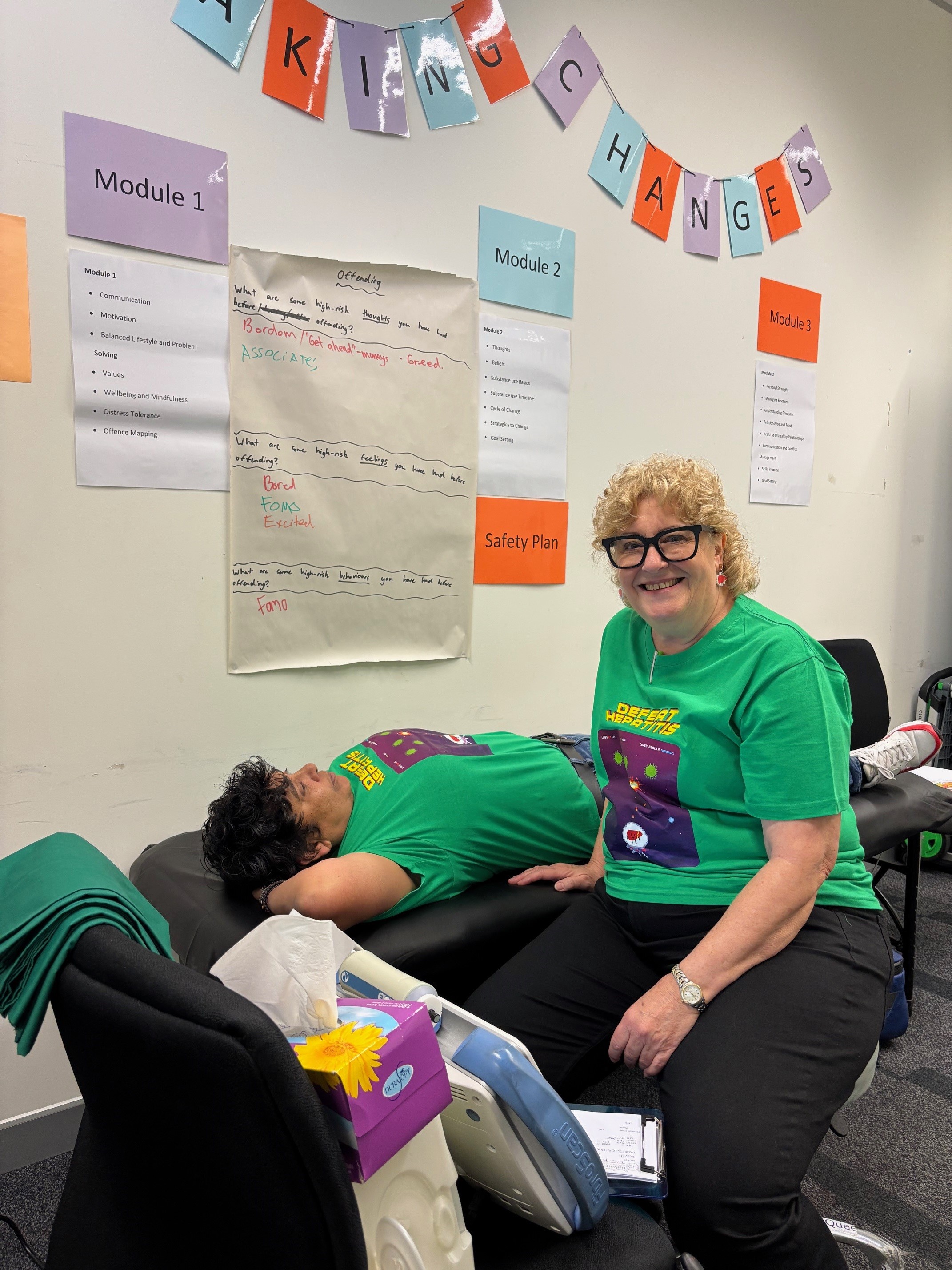
Jeanette and Nicky, demonstrating the Fibroscan
This quiet moment—where a client is lying still, listening—becomes the foundation for the relationship that will carry them through to a cure. It's where trust is built, questions are answered, and the path forward becomes clear.
Practical Wisdom: Advice for Others Starting Hep C Point-of-Care Testing
The team's advice for others starting point-of-care testing reflects their patient-centred philosophy and reveals what makes their program successful: Alex focuses on the client experience: "Slow down and make sure that the client understands what's happening. Just because you do this often and you know what's happening, doesn't mean they do, and it can be quite a daunting experience for people!" This attention to the client's perspective—remembering that what's routine for healthcare workers can be overwhelming for patients—is central to their approach.
On the technical side, Alex offers reassurance: "I have learnt that everyone has a different method of bleeding people. There is no one way that's right, you've just got to keep practising, and you'll find a way that works best for you! Don't stress!"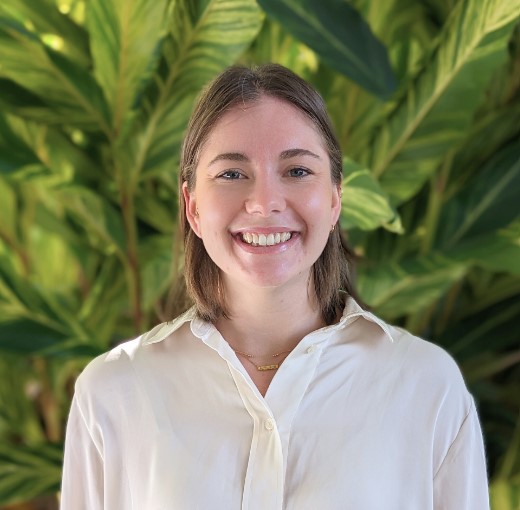 Mikayla emphasises communication and adaptation: "Make sure you know how to communicate and talk to people—meeting someone where they are at on their journey is very important and will make a difference in continuing their care." She's learned that "everyone is different and reacts differently to things—like getting a positive hepatitis C result." Tailoring communication to each person's unique situation is crucial.
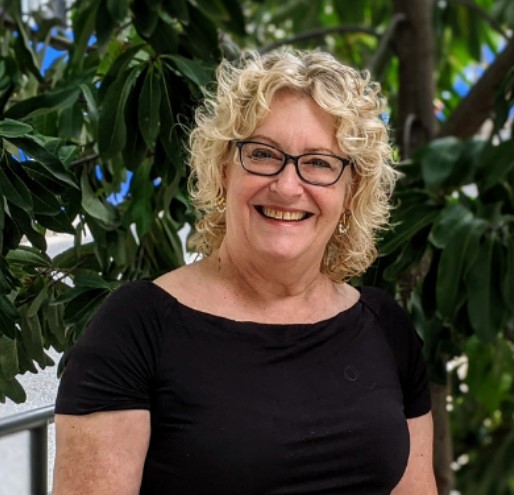 Jeanette stresses patience and kindness: "You need patience, to be nice and speak kindly. Everyone in our team is always happy to help." She also reminds others they're not alone: "Thank goodness we are part of this project. You can always phone Kirby and Flinders for help."
Mikayla notes that Jeanette's famous "black bag full of everything you could ever need" has become legendary—a mobile toolkit that ensures they're prepared for anything.
These aren't just platitudes—they're the practical lessons the team has learned as it adapted its service to better meet client needs. "We have learnt a lot as we go along," Jeanette explains. "We make changes to accommodate and appeal to clients."
The Power of Partnership
The team is quick to acknowledge their broader support network. Dr Gary Chang, who attends their clinics, is "a legend," according to Jeanette. "We literally could not do this without him." Danni, their phlebotomist, "has been with us for a few years now and her skill with clients is amazing." And the addition of Nicky as Cultural Lead and Lived Experience Peer Worker "has increased attendance of Aboriginal and Torres Strait Islander clients."
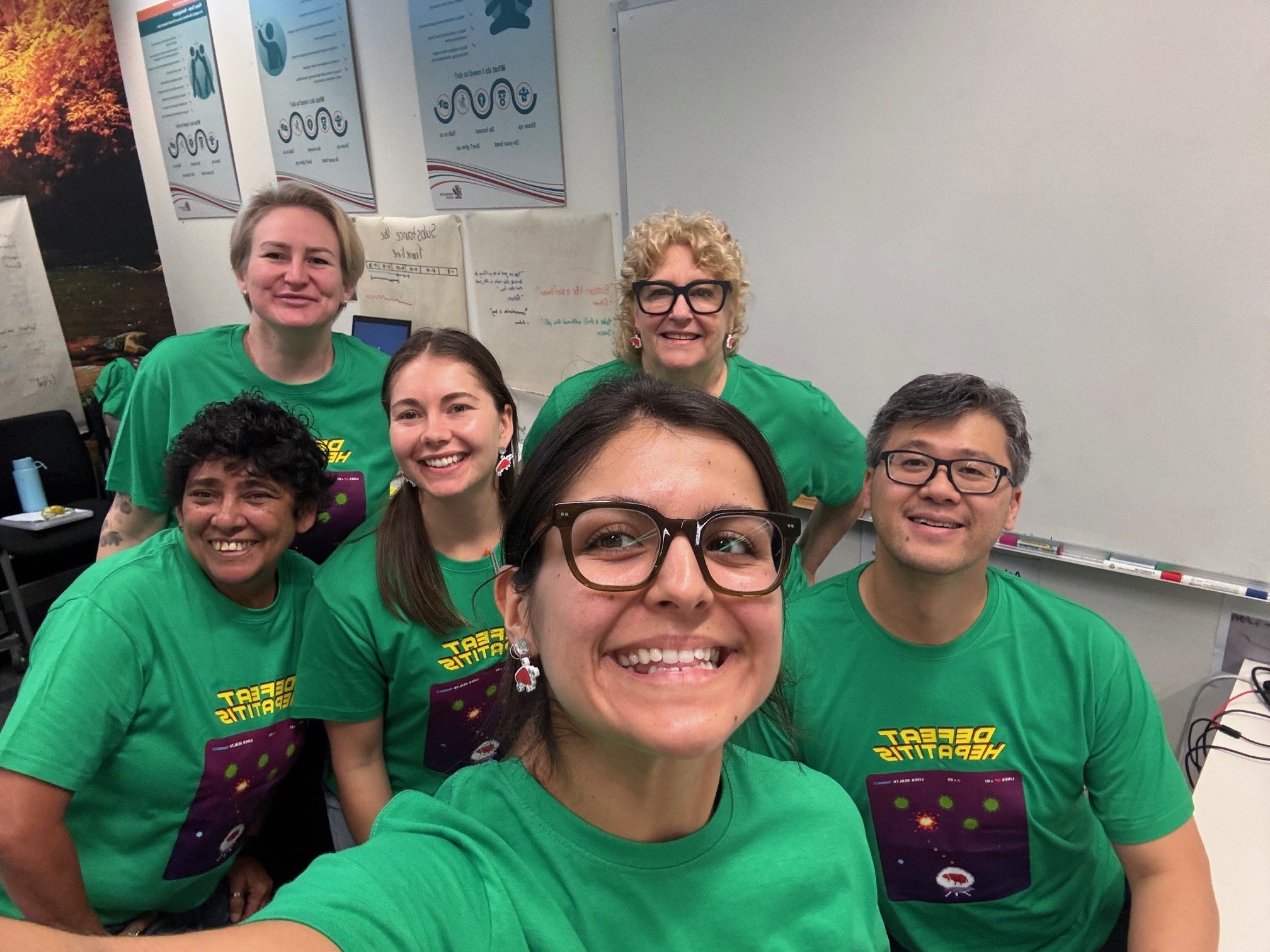
Danni, Nicky, Mikayla, Jeanette, Dr Gary Chang
"The passion and respect that both Alex and Jeanette bring to the team are unmatched and are why our projects that include POCT are so successful and well-regarded nationally," says Mikayla. "Without them, our POCT projects would not be as successful and meaningful as they are!"
Alex returns the praise: "Mikayla and Jeanette, as well as the rest of our clinic team, are some of the hardest-working people you'll ever meet. I feel extremely grateful to be a part of such a well-oiled machine and count my lucky stars every day that I work with them!"
For this team, success isn't measured just in tests completed—it's in the lives changed, the barriers removed, and the people who are now living free from hepatitis C. As Jeanette puts it: "I am very proud of my team and what a great job I have!"